How to Get More Customers to Your Restaurant Without Spending a Fortune
Running a restaurant in South Africa is challenging. Food costs, rent, staff wages, electricity and other operating expenses can leave restaurant owners with limited money for marketing.
But attracting more customers does not always require an expensive advertising campaign. With the right approach, restaurants can improve their visibility, encourage repeat visits and create additional opportunities to generate sales without committing to a large marketing budget.
Whether you operate a restaurant, takeaway, café, fast-food outlet or home-based food business, there are practical ways to reach more customers while keeping costs under control.
In this guide, we explore affordable marketing strategies and explain how online platforms such as Arrivvi can fit into your restaurant's growth strategy.
1. Get Your Restaurant Listed on Arrivvi
One way to expand your restaurant's online presence is to make your food offerings available through relevant digital platforms.
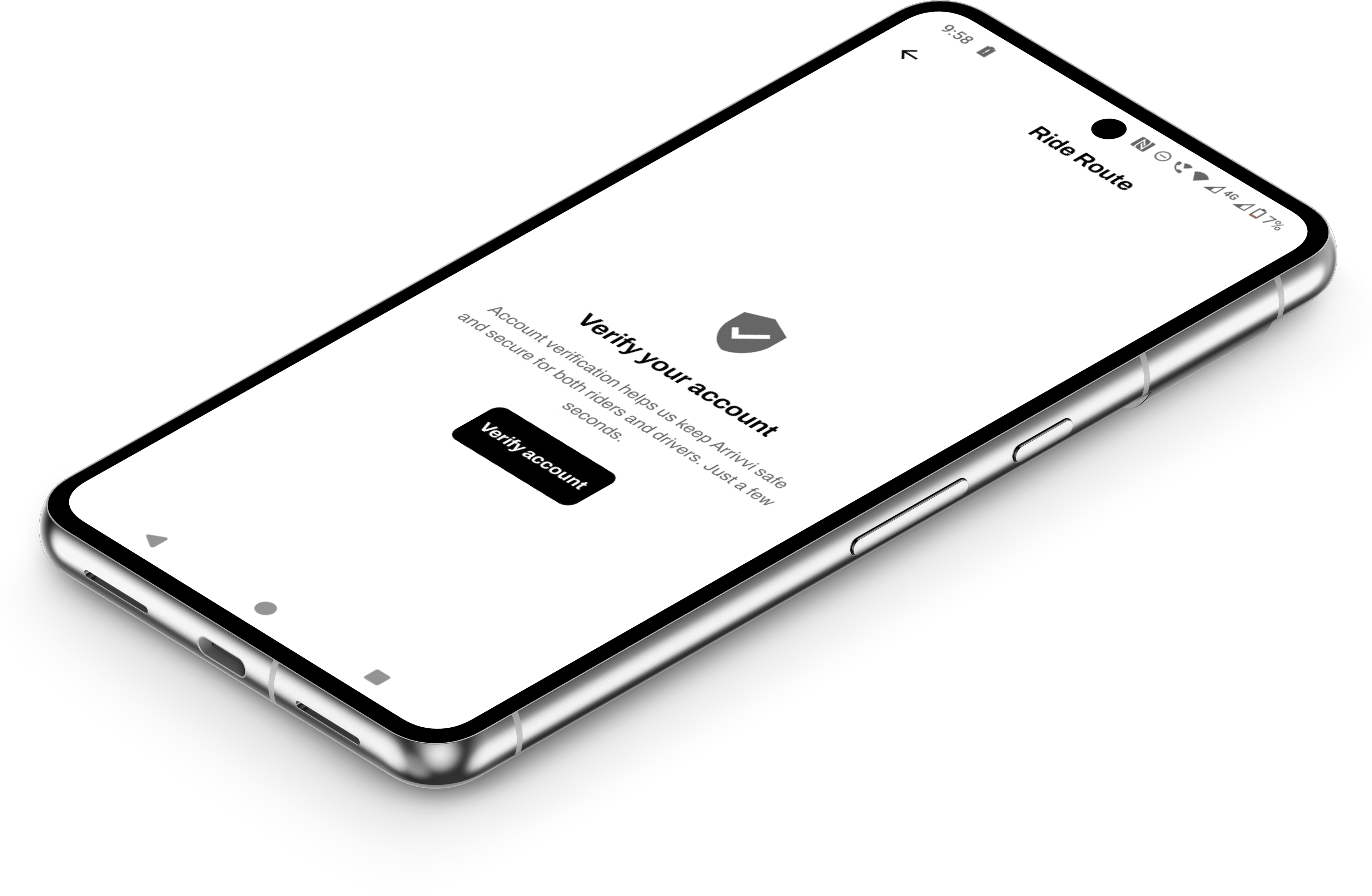
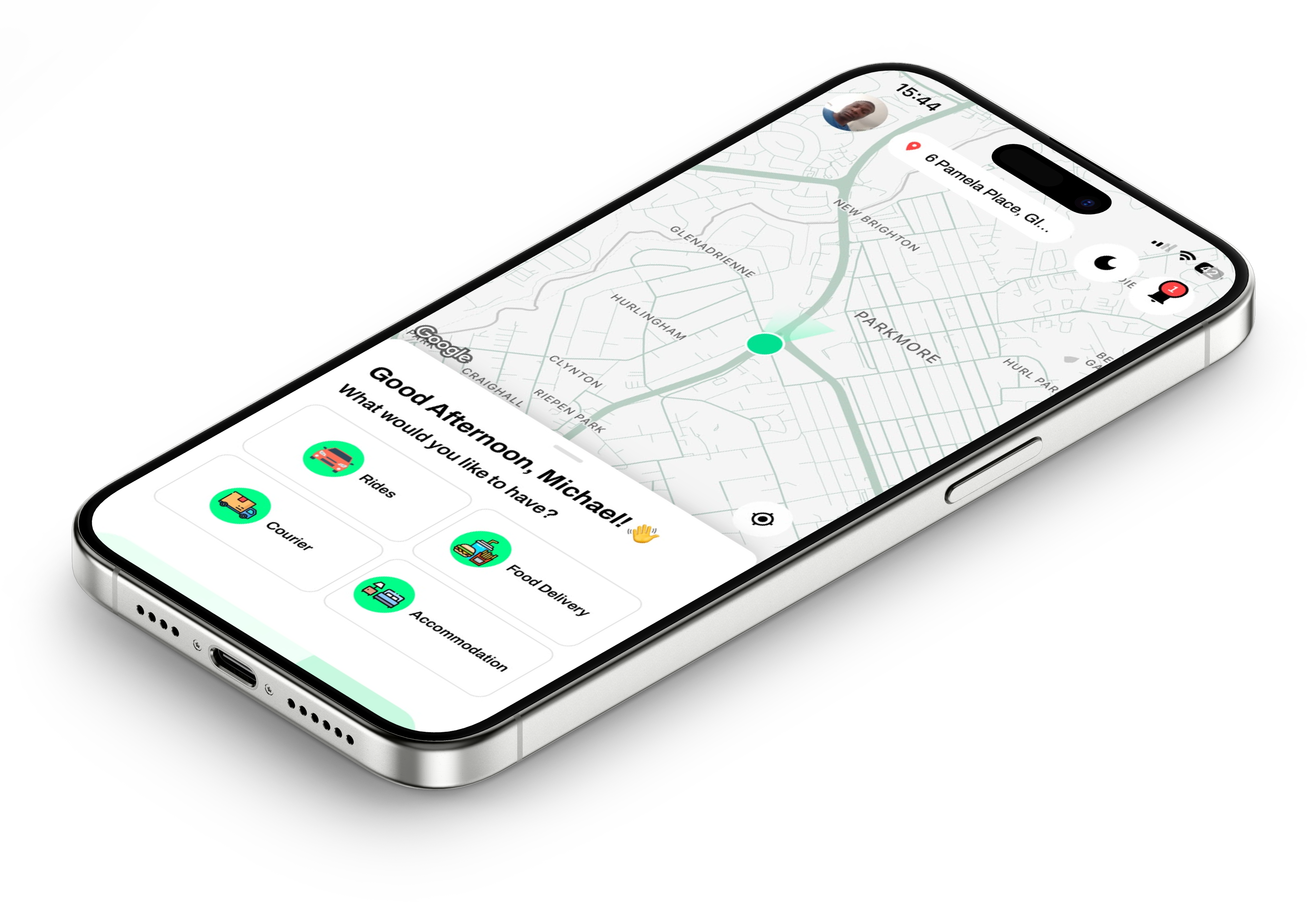
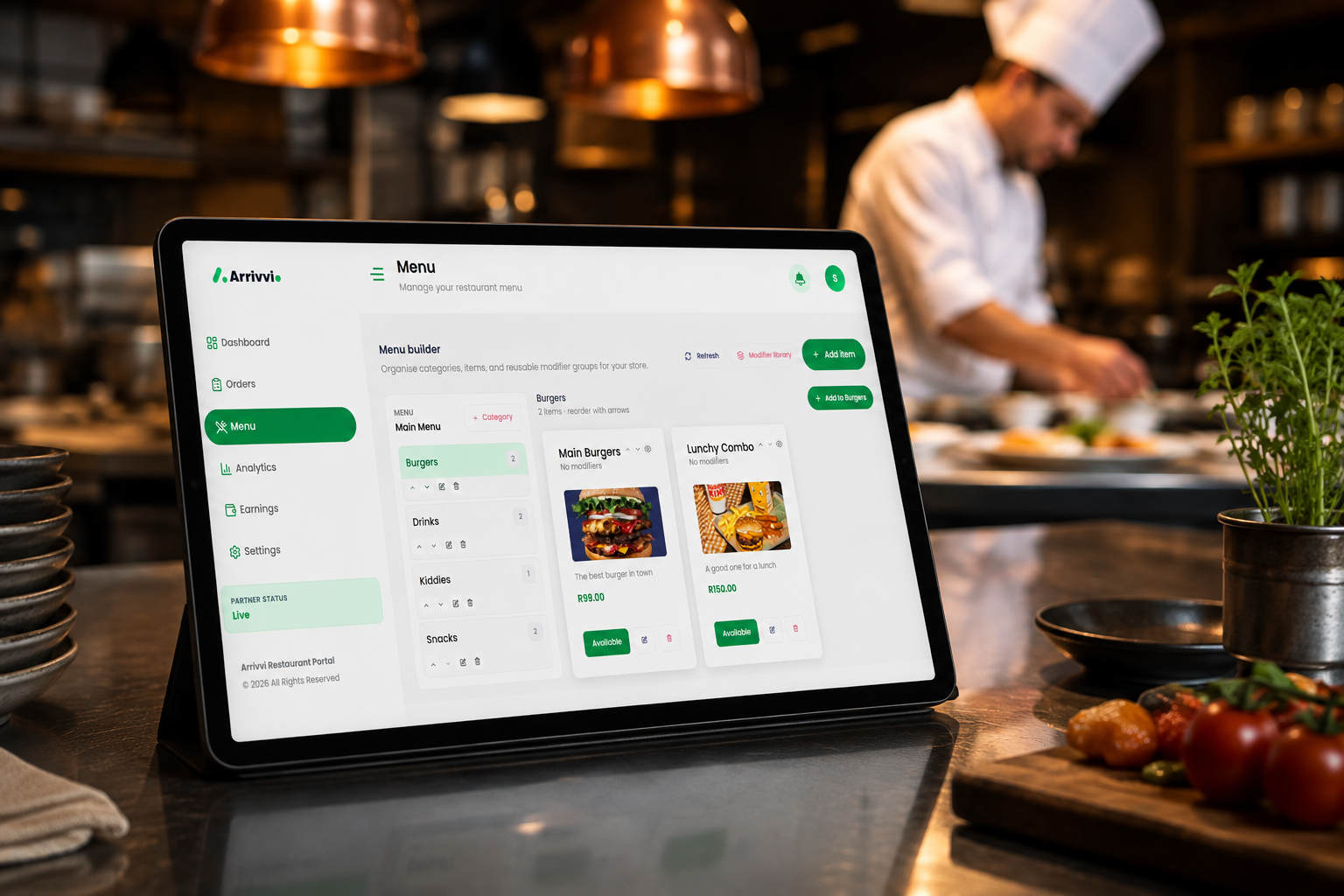
Arrivvi is a South African-built platform that brings together ride-hailing, food delivery, courier services and accommodation. Its food offering provides another channel for participating restaurants and food businesses to present their menus to customers.
Why consider Arrivvi?
Another way to reach customers: An additional online channel can help customers discover your restaurant beyond your physical location and existing social media audience.
Food delivery opportunities: Participating food businesses can use the platform's food offering to make their menu available for ordering, subject to the applicable onboarding requirements and service coverage.
Part of a wider service ecosystem: Arrivvi connects food delivery with rides, courier services and accommodation within one broader platform.
An opportunity to strengthen your online presence: Having your menu and business information available online can complement your existing marketing activities.
Adding your restaurant to a platform does not guarantee more orders. Results depend on factors such as customer demand, service coverage, menu pricing, food quality and how effectively your business is presented.
If you want to explore the opportunity to partner with Arrivvi, visit:
2. Optimise Your Google Business Profile
When people want to find somewhere to eat, they often search Google for restaurants nearby, specific cuisines or particular dishes.
An accurate Google Business Profile can help eligible restaurants appear in relevant Google Search and Maps results.
To improve your profile:
- Use the correct restaurant name, address and contact details.
- Select appropriate business categories.
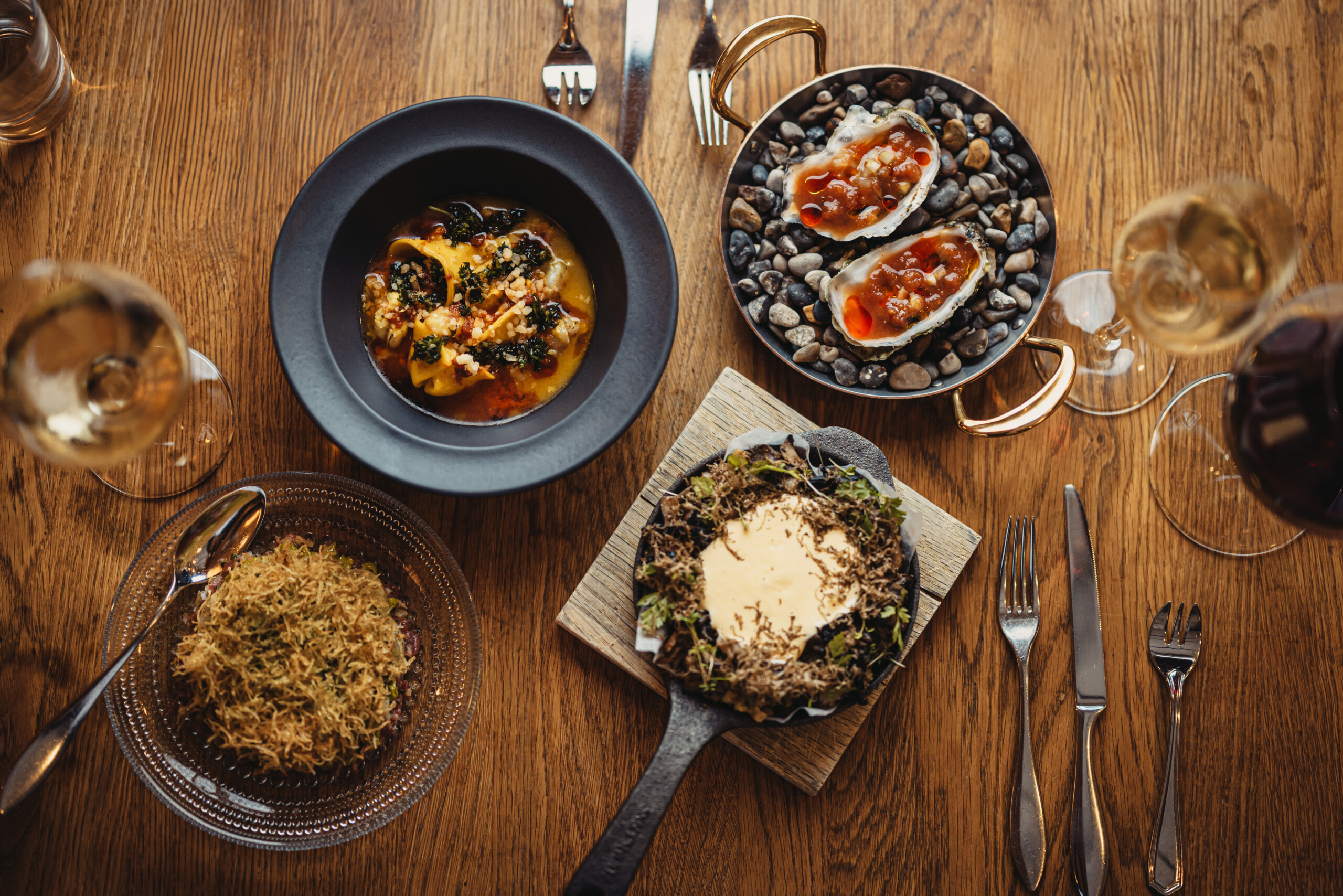
- Add clear photographs of your food, premises and menu.
- Keep opening hours updated.
- Provide a website or menu link where available.
- Respond professionally to customer reviews.
This is a useful starting point for restaurants that want to improve local visibility without immediately paying for advertising.
Google Business Profile does not guarantee prominent placement, and results depend on factors such as relevance, distance and prominence.
Website: https://www.google.com/business/
3. Use Social Media Without Paying for Every Post
Facebook, Instagram and TikTok can help restaurants showcase their food, atmosphere and daily specials.
You do not need to produce expensive commercial videos to begin. Consistent, clear content can be created using a smartphone and good lighting.
Consider posting:
- Short videos showing how popular dishes are prepared.
- Photographs of signature meals.
- Lunch specials and weekly menu highlights.
- Behind-the-scenes kitchen content.
- New menu items and seasonal offers.
- Customer experiences shared with permission.
Include your location and a clear way to order, enquire or visit.
Avoid posting only promotional graphics. Give people a reason to follow your business by showing the food, service and experience they can expect.
Organic reach is not guaranteed, so monitor which posts generate enquiries, visits and orders rather than judging performance only by likes.
4. Encourage Repeat Customers
Getting an existing customer to return can be more cost-effective than continually trying to attract someone who has never visited your restaurant.
Simple retention strategies include:
- A loyalty card with a clearly defined reward.
- A discount on a future visit, where financially viable.
- Special offers for regular customers.
- A weekly lunch special for nearby workers.
- A referral offer with clear terms.
- Permission-based WhatsApp updates about relevant specials.
Before introducing a promotion, calculate its cost and make sure it does not reduce your margins excessively.
For example, offering a discount on a popular meal may increase sales but still reduce profit if the discount is too large or customers would have purchased the meal at full price anyway.
The goal is to encourage additional profitable visits, not simply to sell more food at a loss.
5. Create Meal Combos That Make Financial Sense
Customers often appreciate convenient meal combinations, particularly during lunch breaks or when ordering takeaway.
You could offer a lunch combo, family meal or group order that combines suitable items at a clearly communicated price.
However, do not set prices by copying competitors without understanding your own costs.
Calculate the cost of ingredients, packaging, preparation and any delivery-related fees before deciding on the selling price.
A well-designed combo should offer value to the customer while maintaining a sustainable margin for your restaurant.
6. Partner With Nearby Businesses
Your next customers may already be working or living close to your restaurant.
Consider partnerships with:
- Offices and small businesses.
- Guesthouses and hotels.
- Gyms and fitness studios.
- Event organisers.
- Local shops and service businesses.
- Community organisations.
For example, a restaurant near office buildings could offer pre-ordered lunch meals for teams. A restaurant near accommodation businesses could explore suitable arrangements for guests who want nearby dining options.
Start with a small, manageable arrangement and measure whether it produces repeat orders or worthwhile additional sales.
Agree on pricing, delivery arrangements and responsibilities before beginning.
7. Make Your Menu Easy to Find Online
Potential customers may decide where to eat before they leave home or the office.
Make it easy for them to see what you serve, how much it costs and how to place an order.
You can publish your menu on your website, maintain a menu link on your Google Business Profile where available, and share it through your social media pages.
Use clear descriptions and current prices. Include dietary information where appropriate and identify any additional charges.
If you offer delivery, explain the areas served and how customers can order.
An online menu reduces uncertainty and gives potential customers a clearer reason to choose your restaurant.
8. Collect Genuine Customer Reviews
Reviews can influence how potential customers perceive your restaurant before visiting or placing an order.
Encourage satisfied customers to leave honest feedback without pressuring them or offering rewards in exchange for positive reviews.
Respond to criticism constructively. If several customers mention long waiting times, inconsistent food quality or inaccurate orders, use that feedback to identify operational improvements.
Do not buy fake reviews. A trustworthy reputation is more valuable than an artificially inflated rating.
9. Reduce Food Waste and Protect Your Margins
Marketing can attract more customers, but additional sales will not necessarily improve profitability if your costs are poorly controlled.
Review your most popular dishes and calculate their actual costs. Identify ingredients that frequently expire, meals that generate excessive waste and menu items that require disproportionate preparation time.
Practical steps include:
- Tracking ingredient usage.
- Standardising portion sizes.
- Planning stock purchases around demand.
- Using suitable ingredients across several menu items.
- Reviewing the profitability of each dish.
- Monitoring packaging and delivery costs.
Reducing avoidable waste can free up money for marketing and other business priorities without requiring a larger budget.
10. Test Small Promotions Before Spending More
You do not need to launch a large advertising campaign to learn what attracts customers.
Start with a small, clearly defined promotion. For example, test a lunch special with nearby workers or promote a particular meal to customers in your local area.
Record the results:
- How many people enquired?
- How many orders or visits resulted?
- What was the total cost of the promotion?
- How much revenue did it generate?
- What was the estimated profit after relevant costs?
Repeat promotions that produce worthwhile results and revise those that do not.
If you eventually invest in paid advertising, use these findings to guide your budget rather than spending without a clear objective.
Final Thoughts: Grow Your Restaurant Without Overspending
Attracting more customers does not always require a large marketing budget. Improving your local search presence, sharing useful social media content, encouraging repeat visits, building local partnerships and managing your food costs can all contribute to a stronger business.
The key is to focus on activities that reach the right customers and produce measurable results.
Arrivvi offers restaurants another opportunity to establish their online presence through a platform that brings food delivery together with ride-hailing, courier services and accommodation.
If you operate a restaurant, café, takeaway or other food business, explore Arrivvi and assess whether its services fit your customer reach and delivery strategy.
Interested in partnering with Arrivvi?
Visit: https://arrivvi.co.za
Note: Platform availability, onboarding requirements, fees and service terms should be confirmed directly with Arrivvi. No marketing method or listing guarantees additional customers or sales.